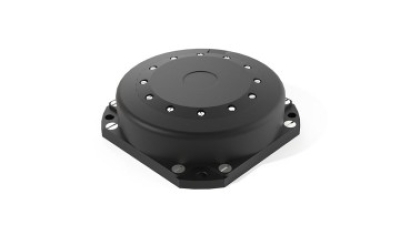
Lately, there's been a real surge in demand for advanced navigation tech—especially in fields like aerospace and robotics. If you look at what Markets and Markets reports, the global market for inertial measurement units (or IMUs) is expected to jump from about $11.5 billion in 2021 to roughly $16.3 billion by 2026. That's around a 7.5% annual growth rate—pretty impressive, right? These Inertial Units are super important because they’re a key part of inertial navigation systems, helping to make navigation systems more accurate and dependable. Now, a company like Poseidon International Group based in Hong Kong, which started back in 2013, is really leading the way here. They focus on designing and making fiber optic gyroscopes and advanced INS, and they hold several patents to their name. It’s exciting to see how they’re shaping the future of navigation tech—pushing forward in areas like autonomous driving and control systems across a bunch of different industries.

The Role of Inertial Navigation Systems in Modern Aerospace Applications
In today’s aerospace world, Inertial Navigation Systems, or INS for short, are pretty much essential when it comes to making sure aircraft and spacecraft know exactly where they are and where they're headed. The cool thing about these systems is that they don’t rely on external signals like GPS; instead, they work all on their own using internal sensors to keep track of movement. That’s especially super important in places where GPS just doesn’t cut it—think deep space missions or underwater drones wandering in the dark. INS uses accelerometers and gyroscopes to measure how much you’re speeding up or turning, which allows vehicles to stay on course and stay safe.
When you’re thinking about adding INS to new aerospace projects, it’s a good idea to consider what kind of environment the system will be working in. That way, you can spot challenges early on. For example, putting in backup or redundant sensors can really help keep things reliable if one sensor acts up.
And as the aerospace field keeps pushing forward, more and more robots are getting fancy inertial units that let them navigate on their own, even in really tricky or unpredictable settings. These smart robots are game-changers for things like search and rescue missions or even exploring other planets. Plus, with machine learning thrown into the mix, these systems can learn from their experiences, getting better at figuring out the best way to move around in real time.
By the way, investing in proper training for teams working with INS tech is a smart move. The more they understand about how it works and what it can do, the better they’ll perform, and it opens the door to coming up with new, awesome solutions for navigation problems.
The Future of Navigation Technology Exploring Inertial Units in Aerospace and Robotics - The Role of Inertial Navigation Systems in Modern Aerospace Applications
| Application Area |
Inertial Navigation System Type |
Key Features |
Accuracy (m) |
Typical Use Cases |
| Aerospace |
Ring Laser Gyro |
High stability, low drift |
0.1 - 0.5 |
Commercial aviation, UAVs |
| Robotics |
Micro-Electromechanical Systems (MEMS) |
Compact, affordable |
1 - 3 |
Drones, autonomous vehicles |
| Maritime |
Fiber Optic Gyro |
Resistance to environmental conditions |
0.5 - 2 |
Submersibles, ships |
| Military |
Strapdown Inertial Navigation |
Fast response, real-time processing |
0.2 - 1 |
Missile guidance, troop positioning |
Advancements in Inertial Measurement Units for Enhanced Accuracy
You know, the advancements in Inertial Measurement Units, or IMUs, are really shaking things up in the world of navigation—especially in aerospace and robotics. It’s crazy to think that the market for these little devices is projected to jump from around $27 billion in 2025 all the way up to over $52 billion by 2034. That just shows how much everyone’s craving more accurate navigation systems. And with new tech like super-precise sensors and smaller, more portable designs, IMUs are performing better even in tough conditions. That makes them way more reliable across all sorts of applications.
On top of that, it’s pretty exciting to see how IMUs are making waves in wearable tech. The market for wearable inertial sensors is expected to double—from about $7 billion in 2024 to over $14 billion by 2034. People are especially interested in integrating these into everyday gadgets. Plus, recent developments like gait-adaptive algorithms for things like autonomous search and rescue show just how versatile IMUs are. They’re not just for big professional projects anymore—they’re making everyday applications smarter and more reliable. All in all, this evolving tech is really paving the way for more advanced, adaptable navigation solutions across the board.
Comparative Analysis of Inertial Navigation and GPS Technologies
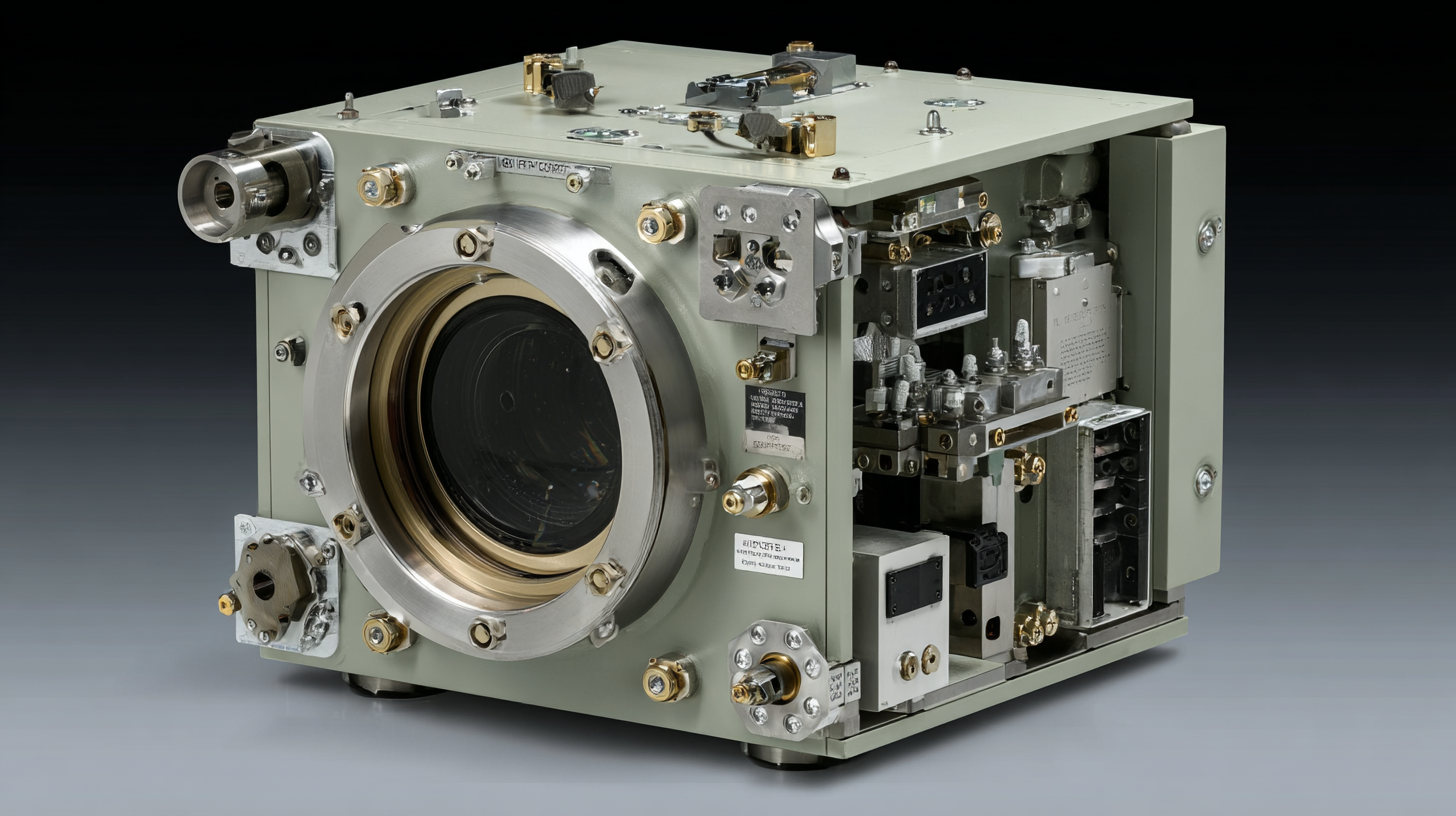
Lately, we've seen a pretty interesting shift in navigation tech. Gone are the days when everything relied solely on GPS. Now, inertial navigation systems—those INS gadgets—are really gaining ground, especially in aerospace and robotics. If you check out what MarketsandMarkets reports, it looks like the market for these systems is expected to nearly double, shooting up from around $10.8 billion in 2020 to about $20.7 billion by 2025. That’s a compound annual growth rate of roughly 14.5%. This surge just goes to show how much folks are craving more dependable and accurate ways to find their way, especially methods that can handle external disruptions better.
Sure, GPS is fantastic when everything’s smooth—like open skies—and is great for getting an absolute position. But things get tricky when signals get blocked—think in busy city centers or deep canyons. That’s where inertial navigation really shines. It keeps tracking your position constantly by using sensors that measure how you're accelerating and rotating, which is a big plus for missions demanding high reliability. In fact, studies show that if you combine inertial units with GPS, you can cut down the error in your positioning by as much as 90%. That makes a huge difference in accuracy. As both the aerospace and robotics worlds jump on these new navigation solutions, it looks like mixing and matching these systems—kind of a hybrid approach—might just give us the best of both. Basically, it combines GPS’s accuracy with the resilience of inertial navigation, making everything more foolproof in tricky scenarios.
The Future of Navigation Technology: Comparing Inertial Navigation and GPS Technologies
This chart compares the accuracy of Inertial Navigation Units (INU) and GPS technologies in terms of their typical accuracy in meters. Inertial Navigation systems provide superior accuracy, particularly in environments where GPS signals may be weak or unavailable.
Challenges and Solutions in Integrating Inertial Units in Robotics
Integrating inertial units into robotics is kinda a big deal — it's both filled with challenges and full of potential solutions. I was reading a report from MarketsandMarkets, and it looks like the global market for inertial sensors is expected to hit around $15.56 billion by 2025, growing at about 5.1% annually. That’s a clear sign that folks really want reliable navigation tech, especially for autonomous robots that need to work smoothly in all kinds of environments. But, let’s be real — getting precise navigation with inertial measurement units (IMUs) isn’t always straightforward. Things like sensor drift, environmental noise, and limited computing power can throw a wrench in the works.
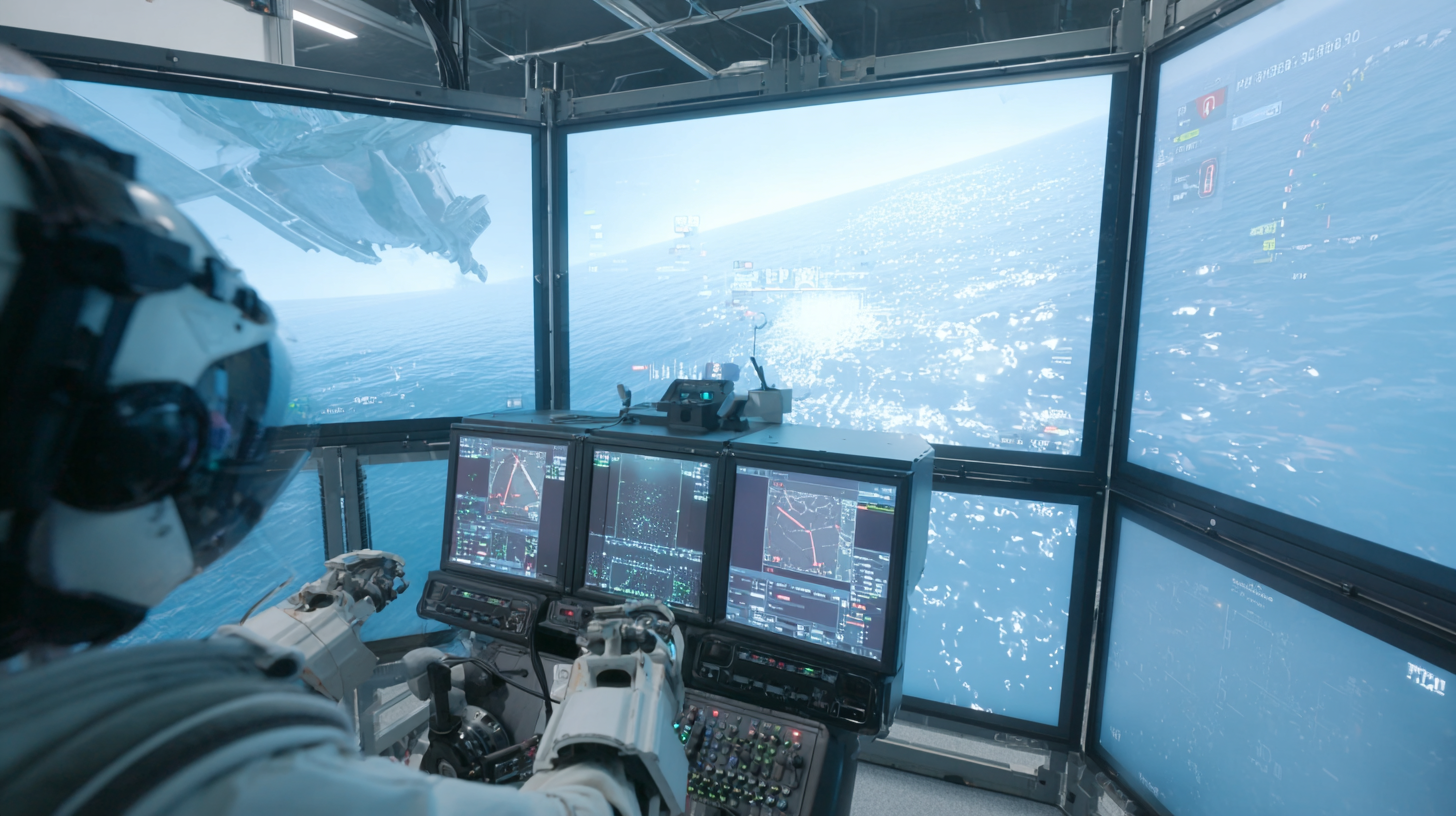
To tackle these issues, researchers are trying out a mix of clever tricks — combining fancy sensor fusion methods with machine learning. Techniques like Kalman filtering and complementary filtering have shown some pretty promising results in improving how accurately robots can navigate. Plus, by pairing IMUs with other sensors like GPS and visual odometry, we’re making systems more tough and adaptable. Processing data in real time helps robots respond fast to sudden changes, making them more reliable overall. As the robotics world keeps evolving, these kinds of solutions will be key in developing smarter, more autonomous machines that can really keep up.
Basically, it’s all about finding better ways to help robots know where they are, even in tricky situations — and it’s getting pretty exciting to see how fast things are moving in this space.
Future Trends in Miniaturization of Inertial Navigation Devices
Looking ahead, the future of inertial navigation tech really seems to be on a path of big improvements—especially when it comes to making devices smaller and more portable. I mean, the global market for inertial navigation systems is expected to jump from about $13.65 billion in 2025 to roughly $24.28 billion by 2032, growing at around 8.6% each year. This growth? A lot of it’s driven by the rising demand for compact, super-accurate inertial sensors, particularly in aerospace and robotics fields—things that require precision but also need to be lightweight and space-saving.
Lately, we’ve been seeing more focus on Micro-Electro-Mechanical Systems (MEMS) tech, which is pretty much revolutionizing small-scale navigation tools. MEMS gyroscopes and accelerometers are quickly becoming the go-to for boosting accuracy while keeping the devices tiny. Plus, Fiber Optic Gyroscopes are also gaining traction, especially as more applications need reliable orientation data in fast-moving or unpredictable environments. All these tech advancements point to a future where navigation gadgets will not only get more efficient and dependable but will become an essential part of both military operations and everyday civilian life—pretty exciting, right?
The Impact of AI on Inertial Navigation Systems in Aerospace and Robotics
You know, the impact of artificial intelligence—AI—on inertial navigation systems (INS) in aerospace and robotics is seriously set to shake things up as the technology keeps advancing. It’s pretty wild to think that the market size is expected to jump from around $13.65 billion in 2025 to about $24.28 billion by 2032, growing at an average rate of 8.6% annually. This makes integrating AI into INS a massive opportunity for innovation, no doubt. With AI algorithms, we’re seeing better accuracy and more reliable navigation thanks to real-time data processing and adaptive learning. It’s like tackling those stubborn challenges of sensor fusion and error correction head-on.
Take Poseidon International Group, for example—they’ve been around since 2013 and really show how fast this sector is moving. They focus on researching, designing, and making fiber optic gyroscopes and inertial navigation systems. These guys are at the forefront, developing tech that uses AI to boost performance in autonomous systems. Their dedication to innovation and holding multiple patents really highlights how important they are in shaping the future of navigation tech—especially in fields like aerospace and robotics, where precision and reliability are everything. Honestly, with these kinds of advancements, AI-powered inertial navigation systems could totally transform those industries. It’s pretty exciting to think about what’s coming next!
Advancements in UAV Navigation: Analyzing the Impact of Digital BSD120 Inertial Sensors on Flight Performance and Efficiency
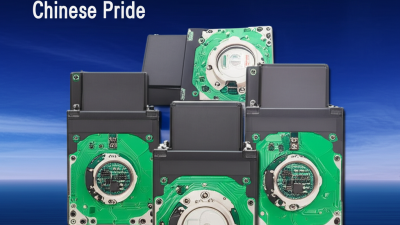
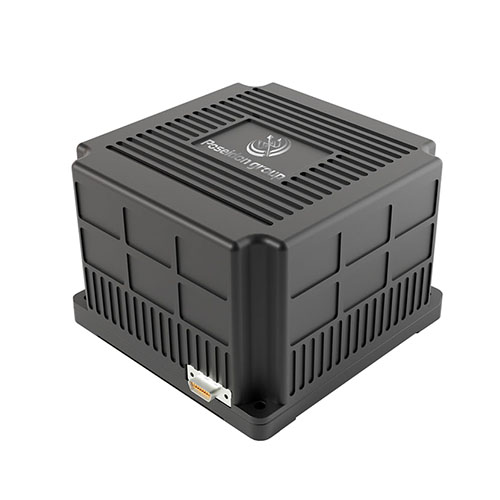
In the evolving landscape of UAV navigation, the integration of advanced digital technologies is reshaping flight performance and operational efficiency. One standout innovation is the Poseidon BSD120 uniaxial precision fiber optic gyroscope. This device exemplifies the shift towards all-solid state gyros, bringing significant advantages such as rapid startup, wide measurement range, and high reliability. Its application across various high-precision inertial navigation systems signals a new era in precision and versatility for UAVs, autonomous vehicles, and industrial automation.
The Poseidon BSD120 employs cutting-edge digital closed-loop technology, offering impressive zero-bias stability between 0.01º/h to 0.05º/h when smoothed over 10 seconds. This level of precision is crucial for demanding UAV applications, where accurate navigation and positioning are paramount. Its compact design, measuring just 98mm × 98mm × 35mm and weighing less than 470g, further enhances its adaptability in various environments, making it particularly suited for rugged conditions. Coupled with its exceptional resistance to vibration and shock, the BSD120 is engineered to meet the rigorous demands of modern navigation systems, promising significant enhancements in flight performance.
FAQS
: IMUs are devices that measure acceleration and rotation, transforming navigation technology, especially in aerospace and robotics, by providing enhanced accuracy and reliability under challenging conditions.
The global inertial measurement units market is projected to grow from USD 27.39 billion in 2025 to USD 52.51 billion by 2034.
While GPS excels in absolute positioning under ideal conditions, INS provides continuous position tracking using inherent sensors, making it more reliable in environments where GPS signals may be obstructed.
The inertial navigation systems market is expected to grow from $10.8 billion in 2020 to $20.7 billion by 2025 at a compound annual growth rate (CAGR) of 14.5%.
Challenges include sensor drift, environmental disturbances, and computational limitations, which can hinder precise navigation in robotic applications.
Solutions include advanced sensor fusion techniques, machine learning algorithms, and integrating IMUs with other sensors like GPS and visual odometry.
The combination can reduce position error by as much as 90%, enhancing overall accuracy by leveraging the strengths of both technologies.
The wearable inertial sensors market is anticipated to grow from USD 7.09 billion in 2024 to USD 14.14 billion by 2034.
Recent advancements include Kalman filtering and complementary filtering methods, which enhance the accuracy of inertial navigation systems.
Real-time data processing allows robots to quickly adapt to changing conditions, improving their operational reliability and navigation capabilities.
Conclusion
The article titled "The Future of Navigation Technology: Exploring Inertial Units in Aerospace and Robotics" really dives into how Inertial Units are becoming game-changers in modern navigation, especially in the worlds of aerospace and robotics. It points out some exciting improvements in Inertial Measurement Units (IMUs) that boost accuracy, and compares these new systems to the more traditional GPS setups—pretty interesting stuff. Plus, it talks about some of the hurdles that come up when trying to get inertial units to work smoothly in robotic applications, and even throws in a few innovative ideas on how to fix them.
Looking ahead, the future for this tech seems pretty bright. Trends are leaning towards making these units smaller and more streamlined, and AI is starting to play a bigger role in how Inertial Navigation Systems (INS) work. Oh, and by the way, Poseidon International Group—who’ve been working on fiber optic gyroscopes and inertial navigation tech since 2013—are in a great position to help push these advancements forward and tackle the challenges that come with this rapidly changing field.

 TBSD60
 BSD120
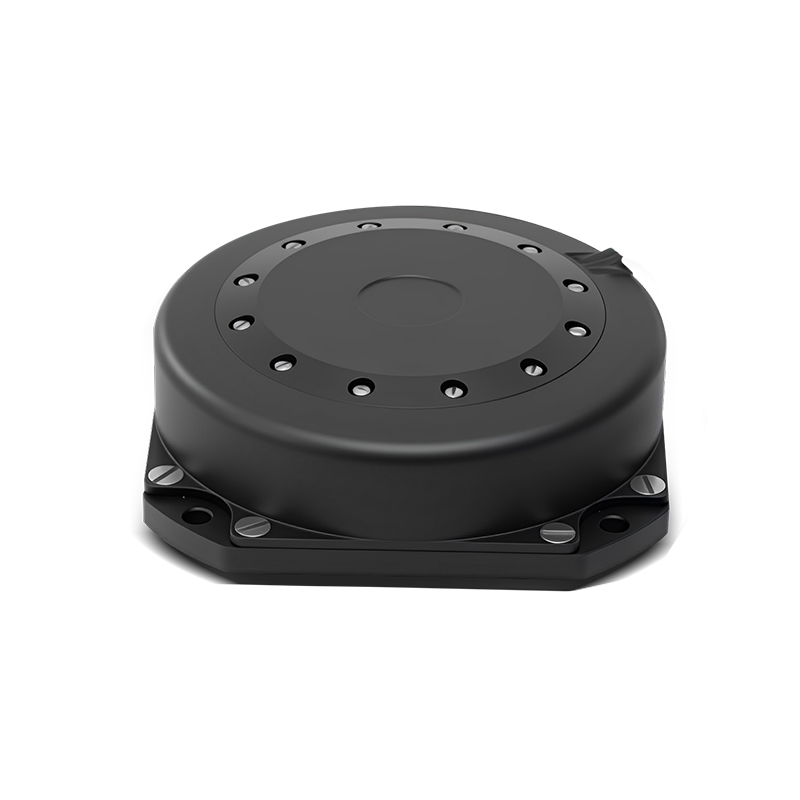 BSD98
BSD98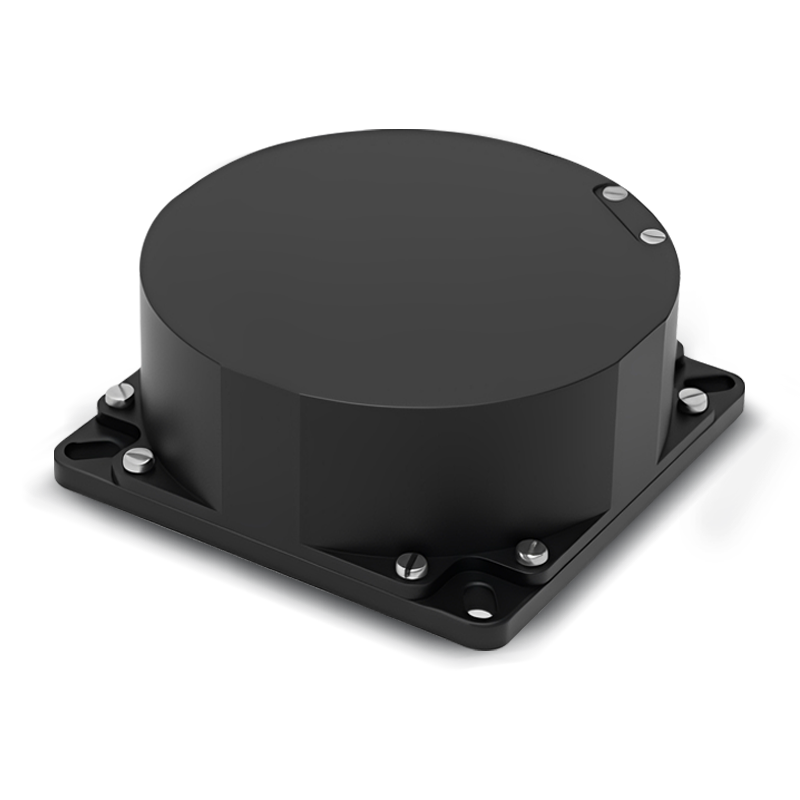 BSD70
BSD70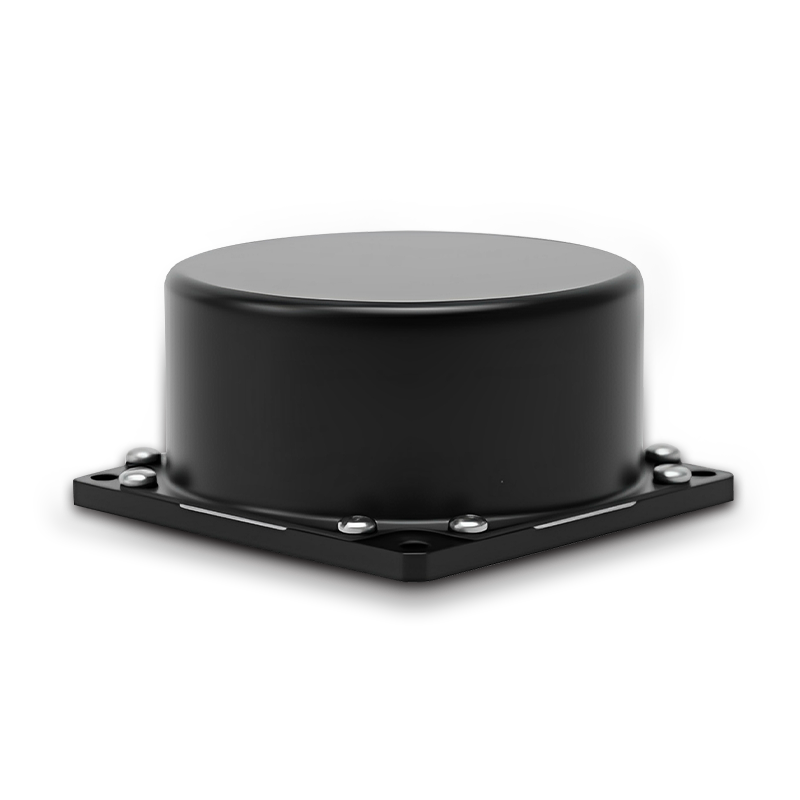 BSD60
BSD60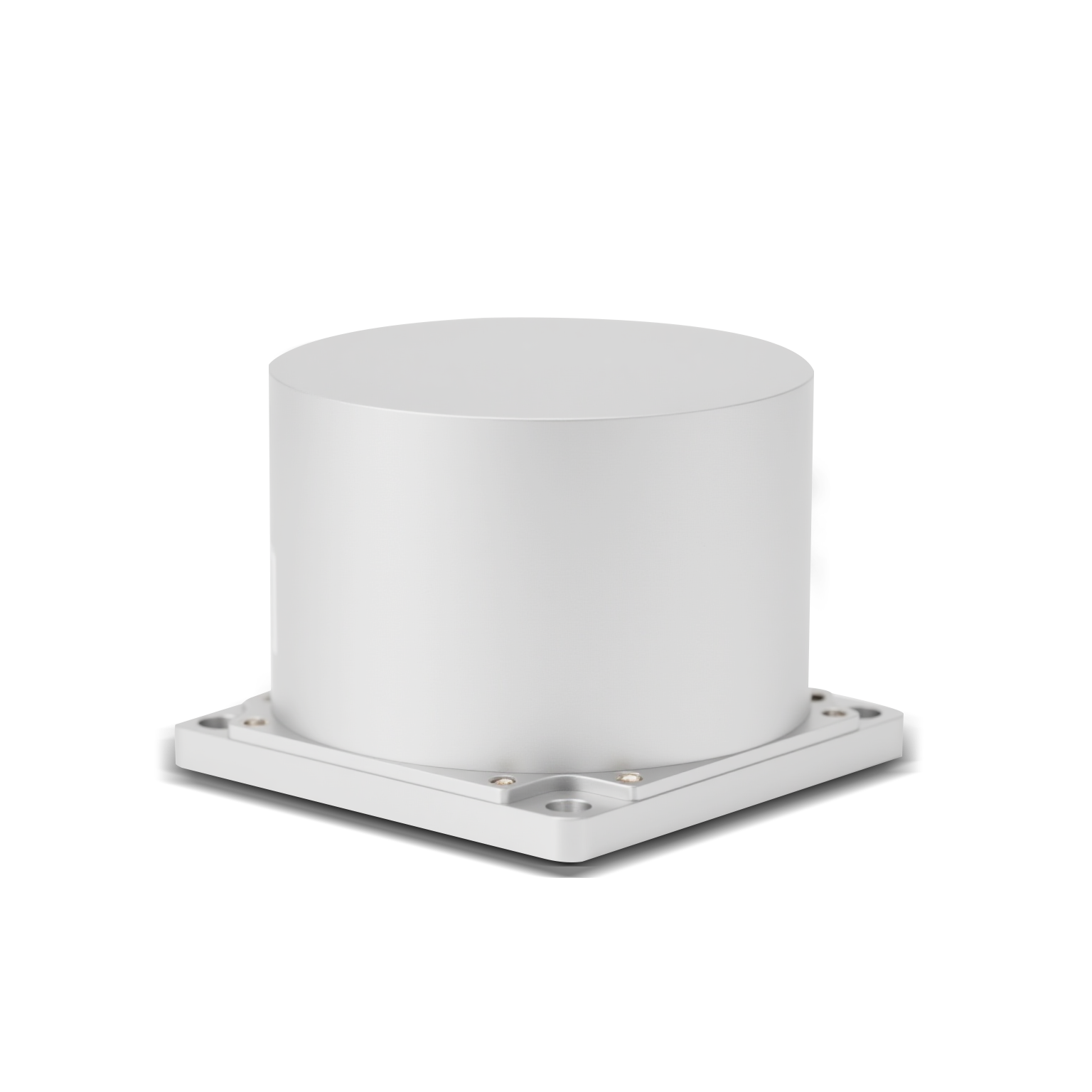 BSD50
BSD50 BSD217
 INS1700
 INS970
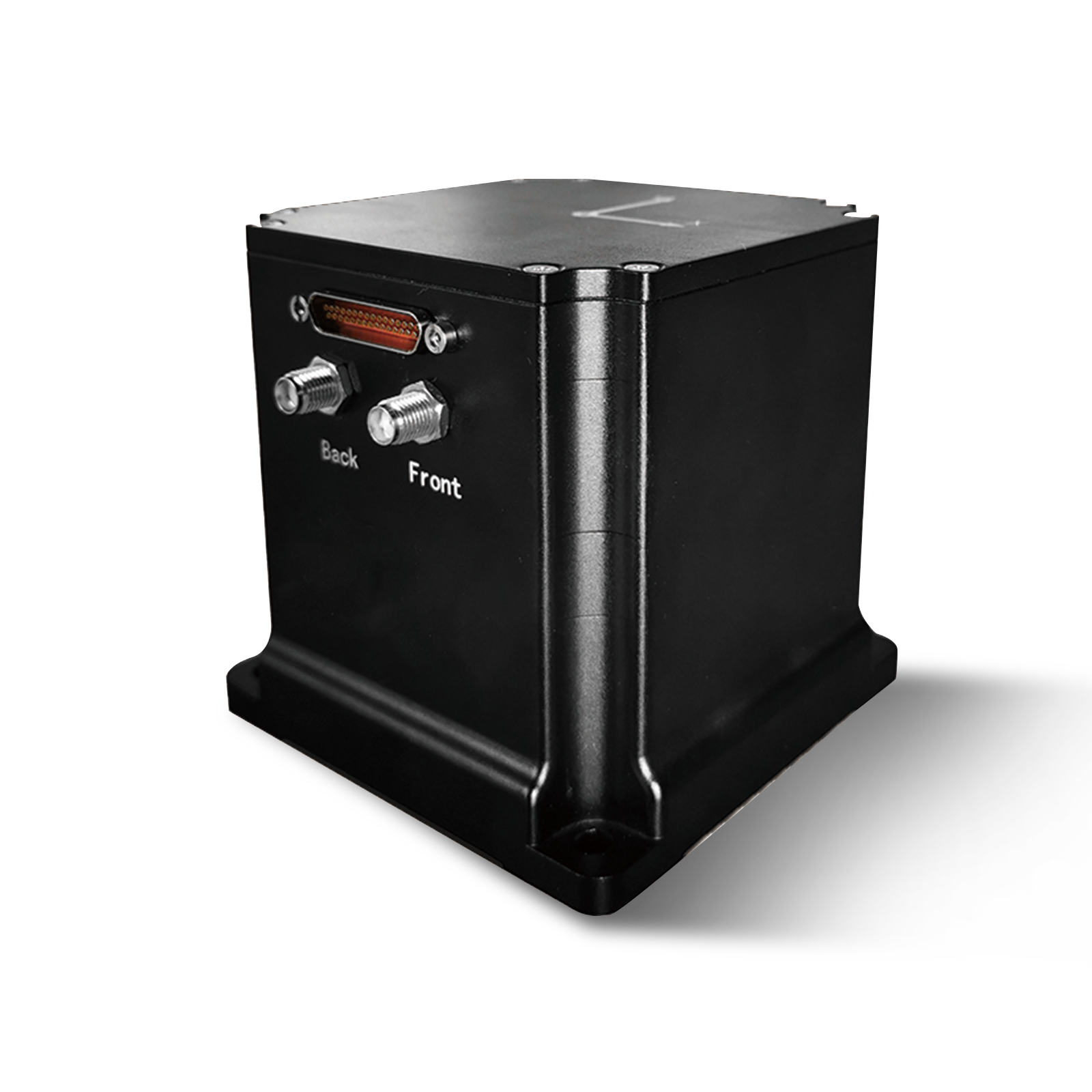 INS570
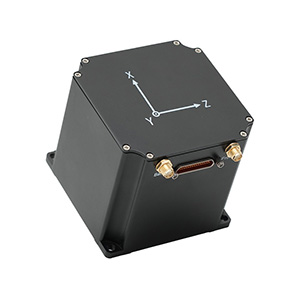 INS170
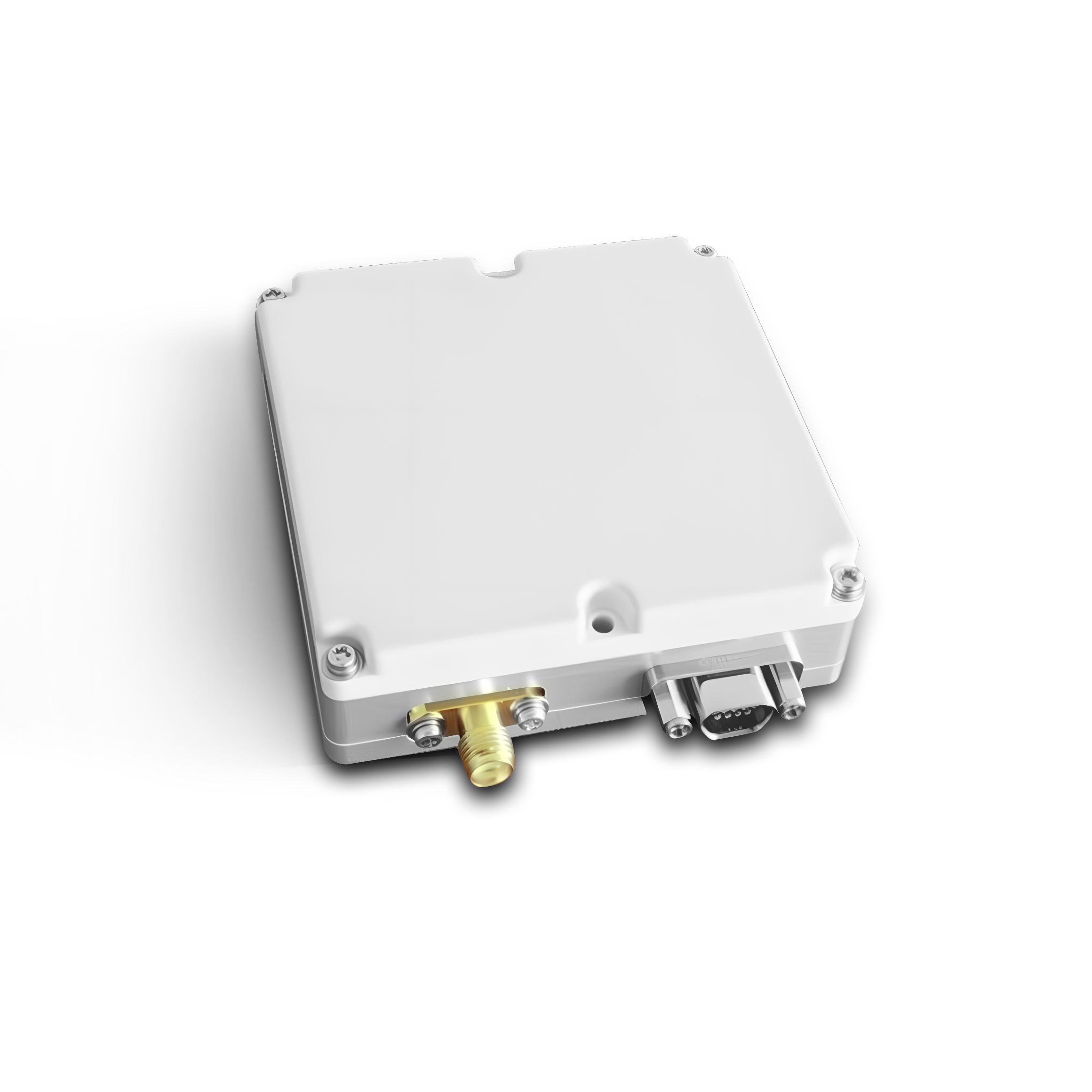 SLA-4B1L1-65
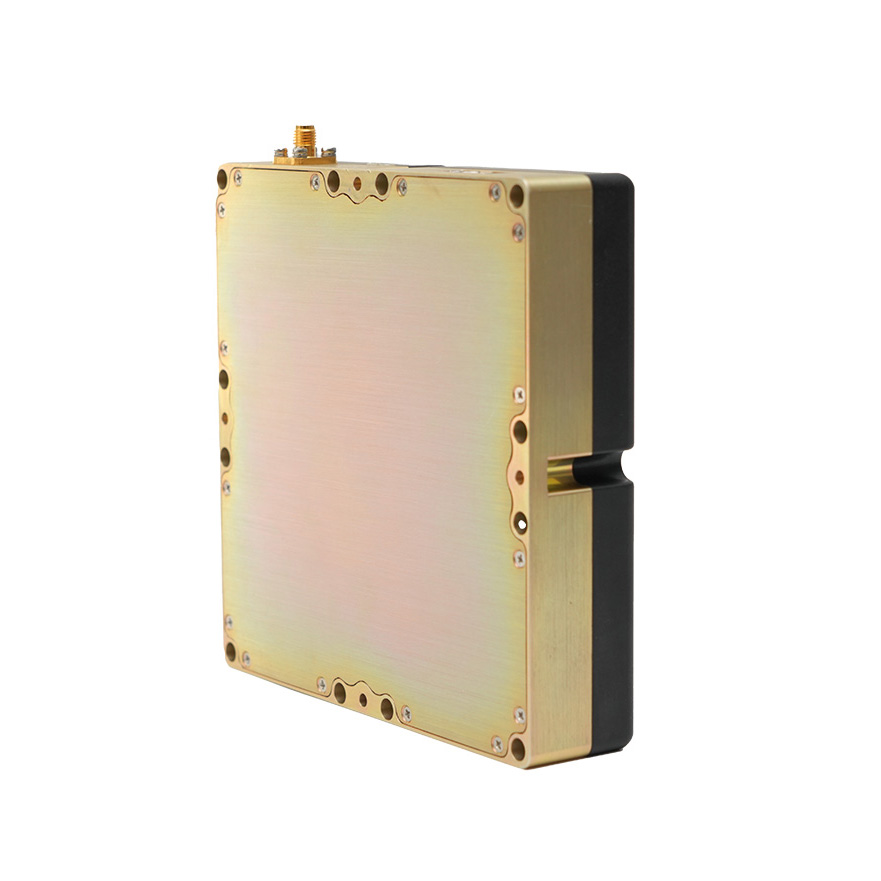 SLA-4B1L1-130
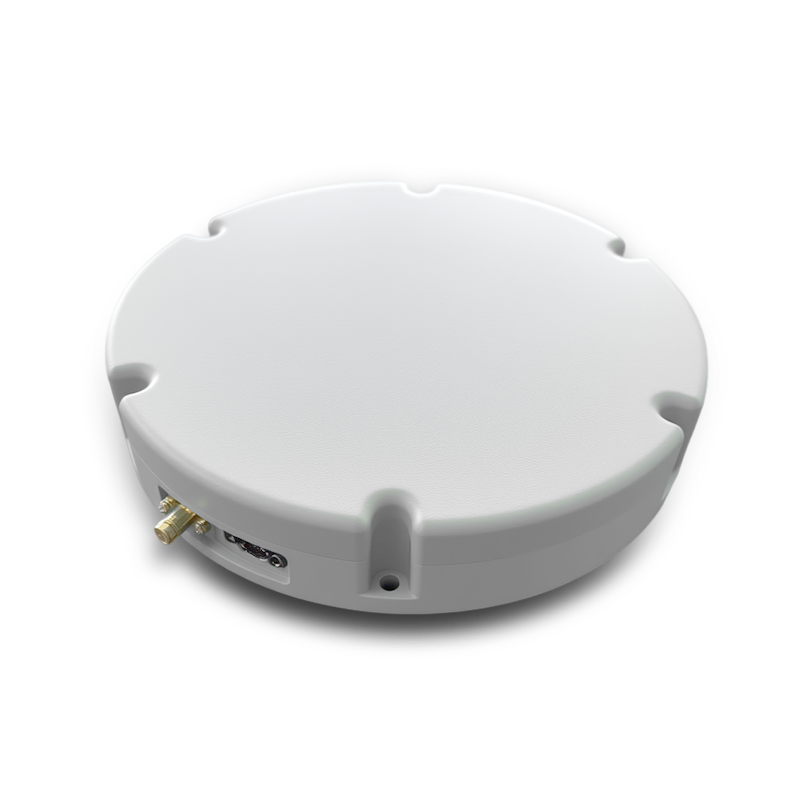 SLA-8B1L1-165
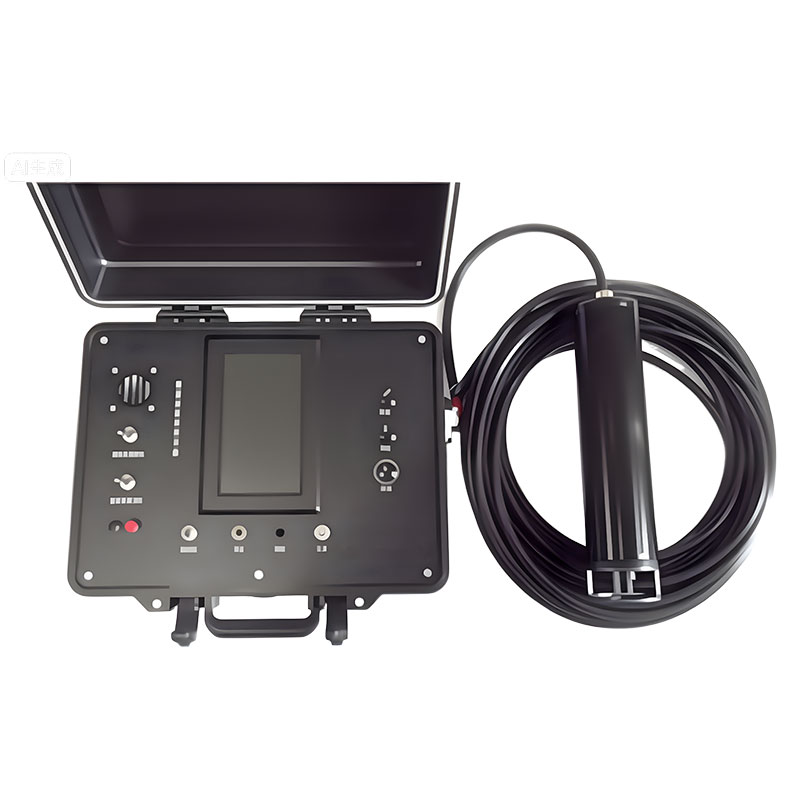 DIVER 101
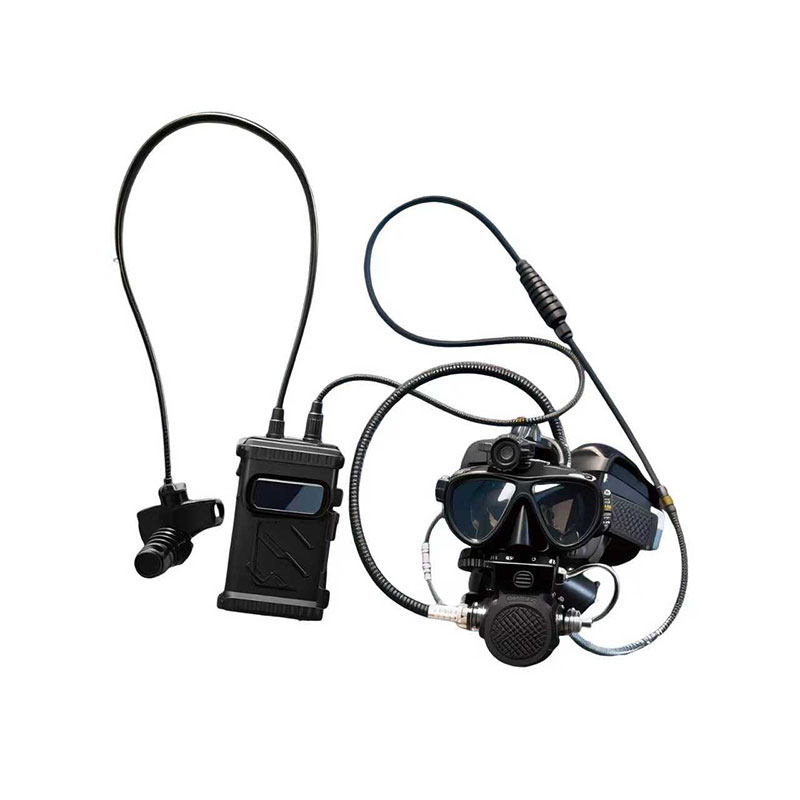 DIVER 102
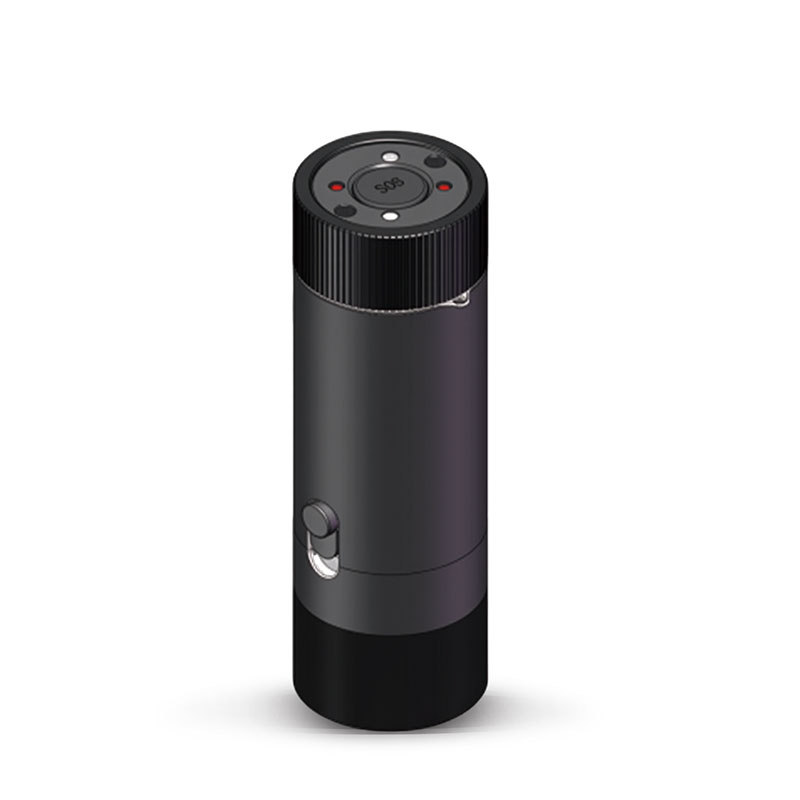 DIVER 103
 DIVER 104
 DIVER 105
 DIVER 106
 SLLR3000
 SLLR905
 SLLD25
 160M
160M 170M
170M SLFC-70
 SLAF280
 MR360
MR360