As industries keep chasing after super precise solutions, advanced Inertial Unit technology is becoming more essential than ever. Since its founding in 2013, Poseidon International Group (Hong Kong) Limited has really been leading the charge in this area. They’re all about independent research and design, producing top-notch technologies like fiber optic gyroscopes (FOG) and inertial navigation systems (INS).
Get this: a recent report from MarketsandMarkets predicts that the inertial navigation system market will hit around USD 13.05 billion by 2026!
That’s mainly because more and more folks are jumping on the autonomous systems bandwagon and there’s a big push for accuracy in a bunch of different applications.
Given all this, we’re super committed to crafting innovative solutions, which positions Poseidon as a vital player in meeting these industry needs – enhancing performance across aerospace, marine, and automotive sectors with our cutting-edge attitude and control systems.
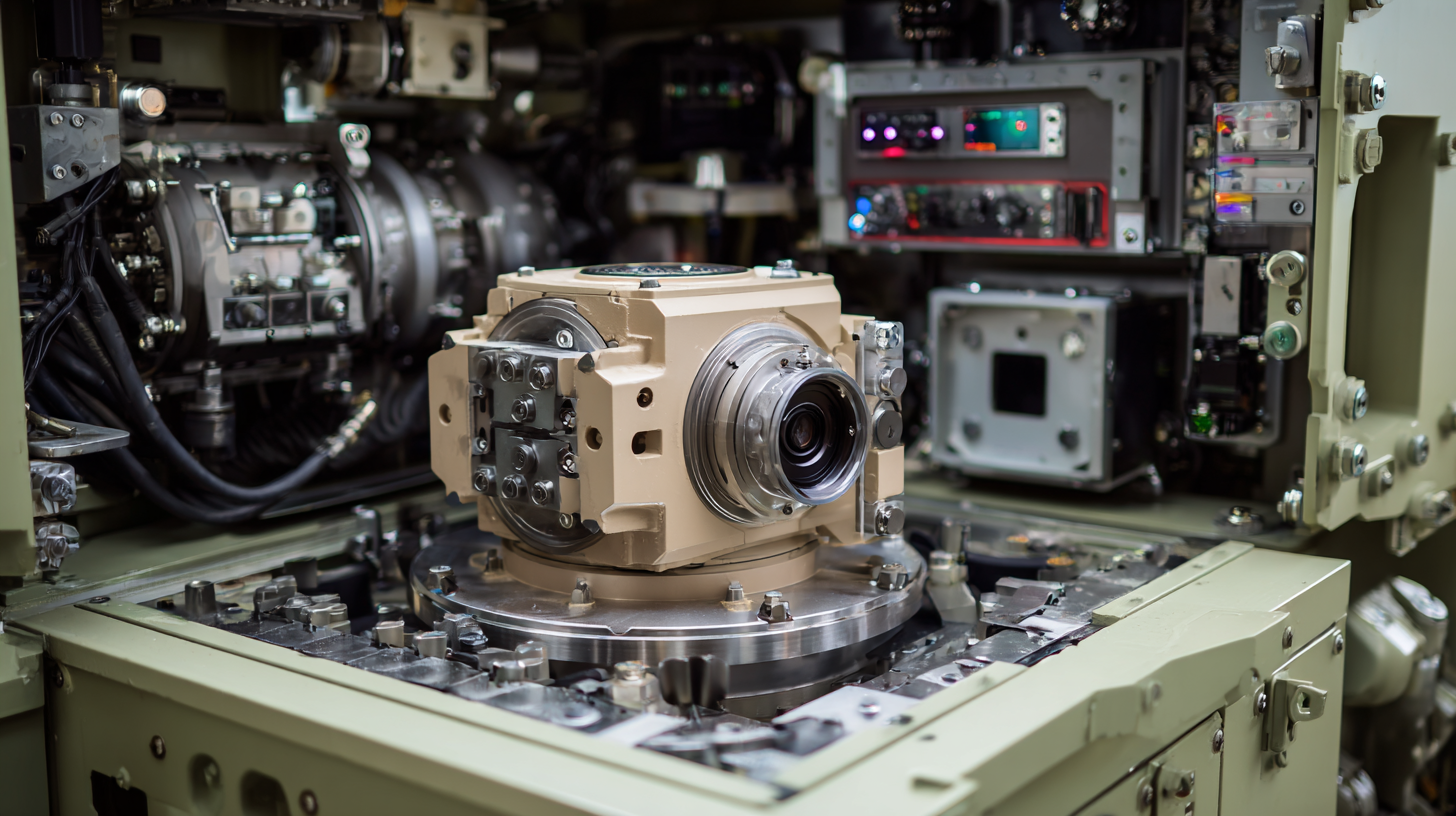
Understanding Inertial Unit Technology: A Comprehensive Overview
In the realm of high precision applications, understanding inertial unit technology is paramount. Inertial measurement units (IMUs) combine accelerometers, gyroscopes, and magnetometers to provide crucial data regarding motion and orientation. According to a recent market report by Research and Markets, the global inertial measurement unit market is projected to reach $14.4 billion by 2025, growing at a CAGR of 8.6%. This growth is driven by increasing demand for precise navigation in sectors such as aerospace, automotive, and robotics.
Recent advancements in IMU technology have led to the development of MEMS (Micro-Electro-Mechanical Systems) sensors, which offer enhanced performance while reducing size and cost. For instance, Bosch Sensortec has pioneered innovative sensors that deliver high accuracy in consumer electronics and industrial applications. Their latest MEMS accelerometers and gyroscopes can achieve measurement errors under 0.1%, a significant improvement that opens new possibilities for high precision applications, from drone navigation to augmented reality systems. As industries continue to demand greater accuracy and reliability, the role of sophisticated inertial unit technology will become increasingly critical.
Key Challenges in High Precision Applications and Their Solutions
When it comes to high precision applications, getting the use of inertial units right is super important for both performance and reliability. There are some big challenges out there, like environmental factors, making sure the sensors are calibrated properly, and figuring out how to fuse data from different sources.
For example, alterations in temperature and vibrations can really mess with the accuracy of those inertial measurements. A report from the International Society for Measurement and Control back in 2022 noted that misalignment caused by these environmental issues could lead to a drop in measurement accuracy by as much as 15%. That definitely shows just how crucial it is to have some advanced compensatory tech in place.
To tackle these hurdles, we’re seeing some pretty cool solutions pop up, like adaptive calibration algorithms and next-gen sensor tech. One neat development is the use of machine learning in inertial navigation systems. This lets them adjust in real time based on what’s happening in the environment, boosting precision by around 20%! Plus, a recent industry survey highlighted how fiber optic gyroscopes have cut down drift rates to below 0.01° per hour. That’s a game changer for fields that need top-notch accuracy, like aerospace and defense. As industries push for even greater precision, adopting these advanced inertial unit technologies will be key in overcoming the challenges we’re facing.
Innovative Applications of Inertial Units in Various Industries
You know, the MEMS sensors market is really taking off these days, and it’s all thanks to the growing demand in a bunch of industries like consumer electronics, automotive, and healthcare. I came across this recent market analysis, and it looks like the MEMS sensors market could hit around $24 billion by 2030! That’s some serious cash, with a compound annual growth rate (CAGR) of about 9% from 2023 to 2030. The exciting part? Inertial sensors are leading the charge; they’re super precise and reliable for crucial uses, which makes them essential for improving performance across various fields.
But that’s not all! The fiber optic gyro market is on the rise too, and forecasts are looking pretty promising all the way to 2031. Reports are saying it should grow at a CAGR of over 8%, reaching about $3.2 billion. Most of this growth is coming from industries like aerospace, defense, and robotics, where having precise navigation and stabilization is absolutely critical. Plus, the integration of technologies like MEMS IMU is really shaking things up, merging impact monitoring with subtle motion detection. That’s helping solidify inertial units as crucial players in the latest engineering and tech innovations. Pretty cool stuff, right?
Innovative Applications of Inertial Units Across Various Industries
The bar chart below illustrates the distribution of inertial unit applications across different industries. The data reflects the percentage share of application types within the inertial unit sector.
Evaluating Performance: Metrics for High Precision Inertial Technology
When it comes to high precision applications, the performance of inertial technology is super important. We at Poseidon International Group really get how crucial it is to assess performance metrics that can directly affect how well our fiber optic gyroscopes (FOG) and inertial navigation systems (INS) work. You know, some of the key metrics we need to look at include angular resolution, drift rate, and update frequency. These factors are not just technical jargon—they're essential in ensuring reliability for critical tasks like autonomous driving systems and attitude control systems.
Here’s a tip for you: when you’re evaluating performance, it’s a good idea to run extensive tests in different environmental conditions. This way, you’ll get a better sense of accuracy and reliability, plus spot any potential shortcomings in the inertial units, which can really help when making design improvements.
On top of that, our passion for independent research and innovation keeps us pushing to improve these metrics all the time. By securing a bunch of technical patents, we’re aiming to stretch the limits of what’s possible with inertial technology. We believe that continuously checking in and refining based on real-world performance is key to creating cutting-edge solutions that meet the ever-changing needs of high precision applications.
Oh, and don’t forget to keep your eyes peeled for new advancements in algorithms for sensor fusion! They can really take the performance of inertial units up a notch by compensating for drift and other errors, which means a more stable and accurate output overall.
Future Trends in Inertial Unit Development and Applications
You know, the latest improvements in inertial unit technology are really opening up some exciting possibilities in lots of high-precision fields. As various industries push for even more accuracy and reliability, developers are really honing in on making these devices smaller and smarter by using advanced algorithms. It’s pretty neat—these upgrades are not just boosting performance but also making inertial units more versatile. Plus, we’re starting to see some cool trends like Machine Learning and Artificial Intelligence being integrated, which means these systems can actually adjust and enhance their functionality on the fly.
Looking forward, we can definitely expect to see some big leaps in multi-sensor fusion techniques. Here, inertial units will team up with other types of sensors, creating a more complete picture. This kind of teamwork is going to make navigating tricky environments way more accurate, especially for things like aerospace and self-driving cars. And let’s not forget the important focus on sustainability and energy efficiency. It's pretty amazing that we're working on low-power inertial systems that still deliver top-notch performance.
All of these trends suggest that inertial unit tech is heading toward a future where it’ll be super essential for achieving incredible levels of precision and reliability, fundamentally changing the way we use technology in our everyday lives and in various industries.
Case Studies: Success Stories Leveraging Advanced Inertial Solutions
You know, when it comes to super precise applications, advanced inertial solutions are really shaking things up across tons of industries. Take this aerospace company, for instance. They decided to incorporate some seriously high-tech inertial measurement units, or IMUs, into their navigation systems. And guess what? This move seriously boosted their accuracy in figuring out flight paths, which meant they were able to cut down on mistakes during those nail-biting moments of flight. Not only did it ramp up safety, but it also made everything run way more smoothly, highlighting just how powerful these advanced inertial technologies can be.
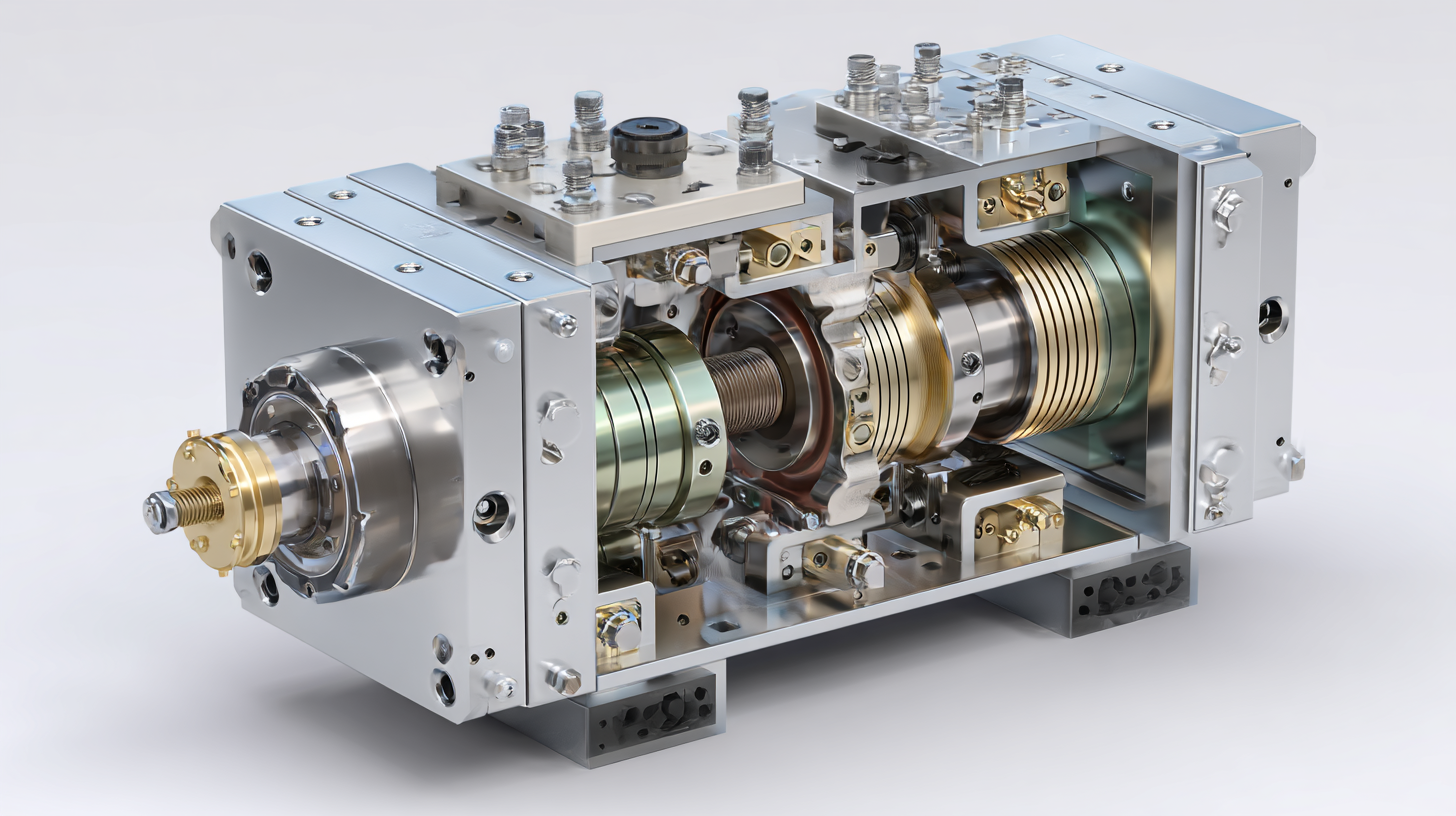
Then there’s the automotive world. A top manufacturer over there jumped on board by using high-precision inertial units for their autonomous driving systems. These systems are all about reacting in real time—like making split-second decisions—and by adding these cutting-edge IMUs, they achieved much better localization and tracking of motion. What this really meant was that their vehicles could handle tricky driving situations way better. It goes to show how these innovative inertial solutions are really pushing the envelope when it comes to safety and reliability, especially in the fast-changing world of autonomous tech.
Innovative UAV Navigation: Exploring the Benefits of the Lightweight Inertial Sensor BSD98
Innovative UAV Navigation: Exploring the Benefits of the Lightweight Inertial Sensor BSD98
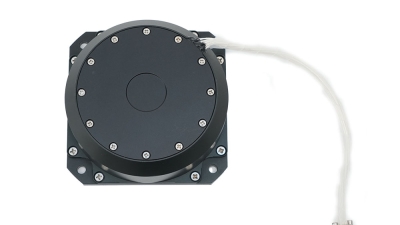
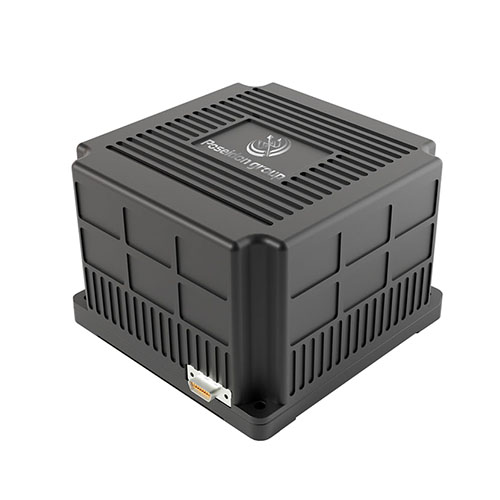
In the ever-evolving landscape of unmanned aerial vehicles (UAVs), the integration of advanced navigation technologies is crucial for optimal performance. The Poseidon BSD98 stands out as a remarkable solution in this domain. Featuring digital closed-loop technology, this high-performance fiber optic gyroscope offers unparalleled precision and versatility that UAV manufacturers and operators can rely on. With a compact design measuring just 98mm×98mm×35mm and weighing less than 470g, the BSD98 easily fits into various UAV configurations without compromising available payload capacity.
One of the standout features of the BSD98 is its exceptional zero-bias stability, ranging from 0.01º/h to 0.05º/h with 10s smoothing. This level of accuracy is essential for high-precision inertial navigation systems, ensuring that UAVs can maintain steady flight and execute precise maneuvers even in challenging environments. The sensor is designed for rugged conditions, boasting rapid startup capabilities and a wide dynamic range, making it resilient to vibration and shock. This robustness is particularly beneficial for vehicle-mounted positioning and advanced automation applications where reliability is paramount.
The Poseidon BSD98 not only enhances the navigational capabilities of UAVs but also streamlines their operational efficiency. By reducing the need for frequent calibrations and allowing for quicker response times, it empowers UAVs to perform more complex missions in various fields, including surveying, agriculture, and logistics. Investing in innovative solutions like the BSD98 is essential for those looking to elevate their UAV technologies and stay competitive in this dynamic market.
FAQS
: An IMU is a device that combines accelerometers, gyroscopes, and magnetometers to provide data on motion and orientation.
The growth is primarily driven by increasing demand for precise navigation in sectors such as aerospace, automotive, and robotics.
The global inertial measurement unit market is projected to reach $14.4 billion by 2025, growing at a CAGR of 8.6%.
Recent advancements include the development of MEMS (Micro-Electro-Mechanical Systems) sensors, which offer enhanced performance, reduced size, and lower costs.
The latest MEMS sensors can achieve measurement errors under 0.1%, significantly improving precision in high-accuracy applications.
Emerging trends include the integration of Machine Learning and Artificial Intelligence, miniaturization, multi-sensor fusion techniques, and a focus on sustainability and energy efficiency.
Multi-sensor fusion refers to the technique of combining data from inertial units with other sensor technologies to enhance navigation accuracy in complex environments.
There is an increased emphasis on developing low-power inertial systems, which aim to maintain performance while being more energy-efficient.
Improved IMUs could be utilized in drone navigation, augmented reality systems, aerospace, and autonomous vehicles.
Advanced algorithms improve performance and expand the operational capabilities of inertial units, enabling real-time adaptation and optimization.

 TBSD60
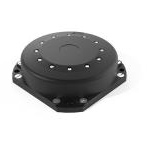 BSD120
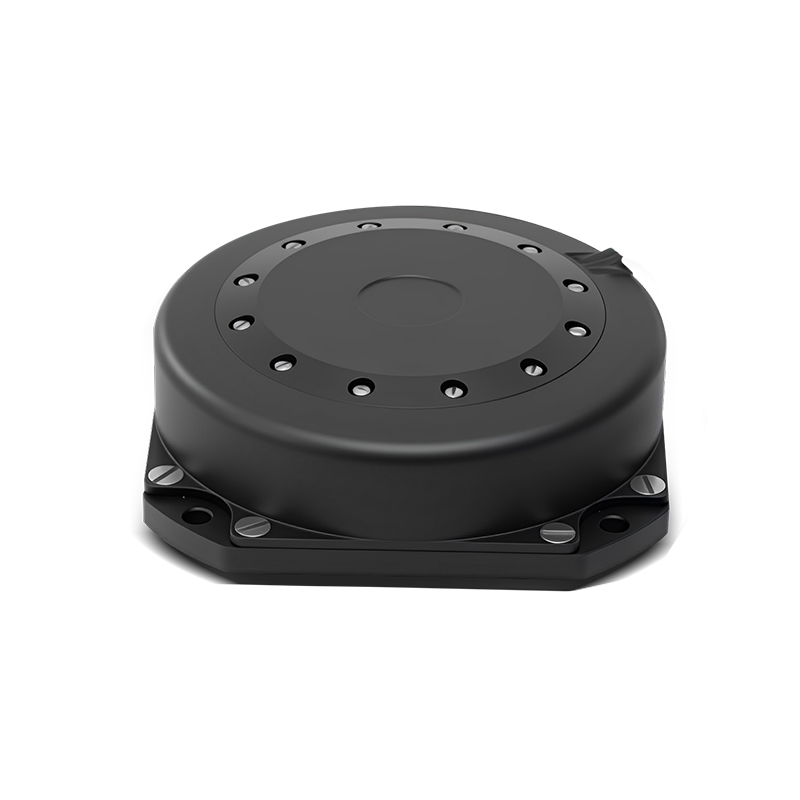 BSD98
BSD98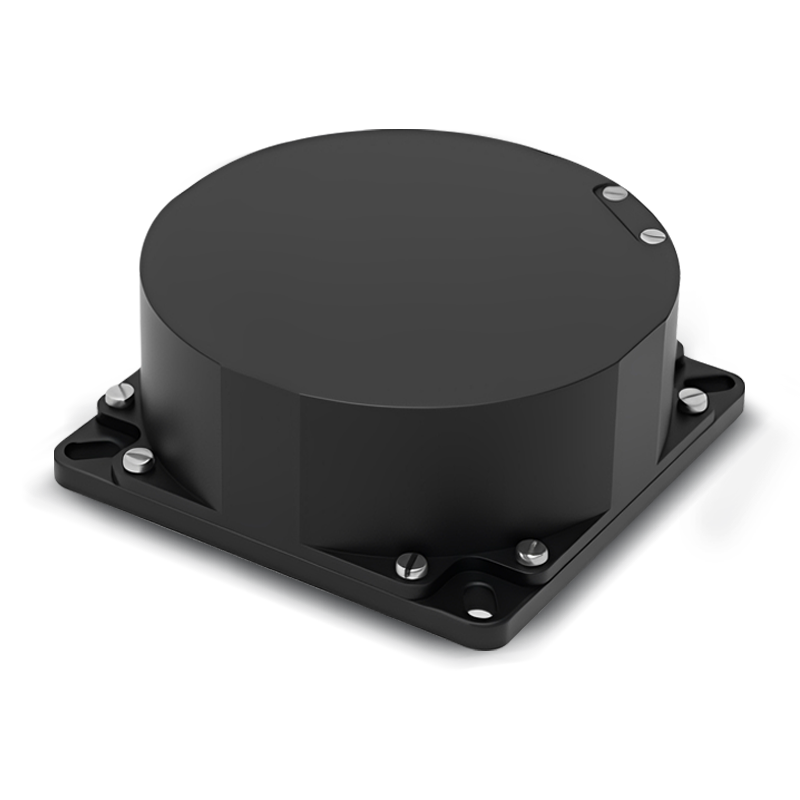 BSD70
BSD70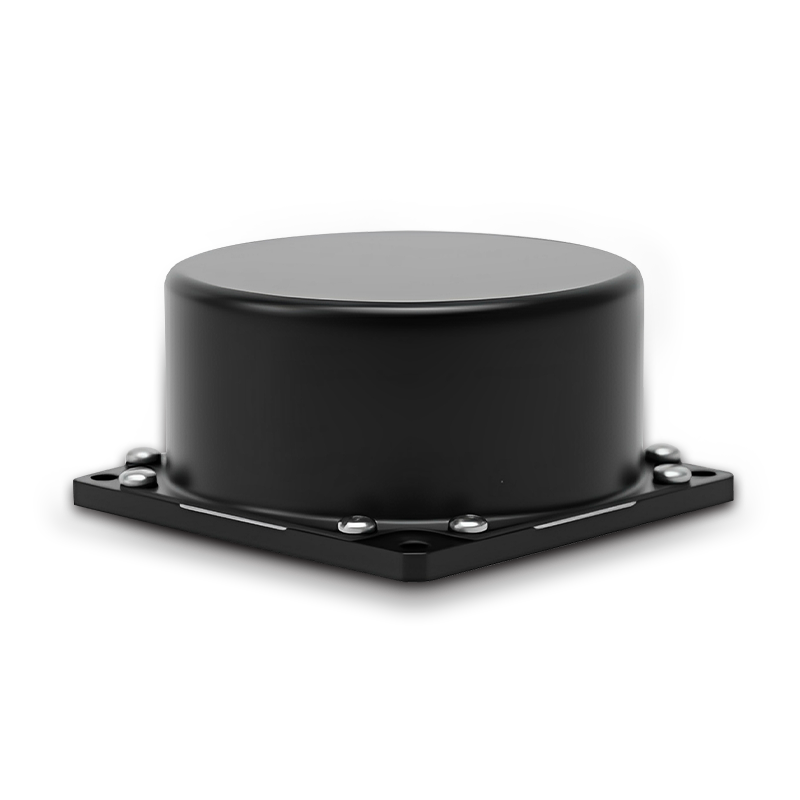 BSD60
BSD60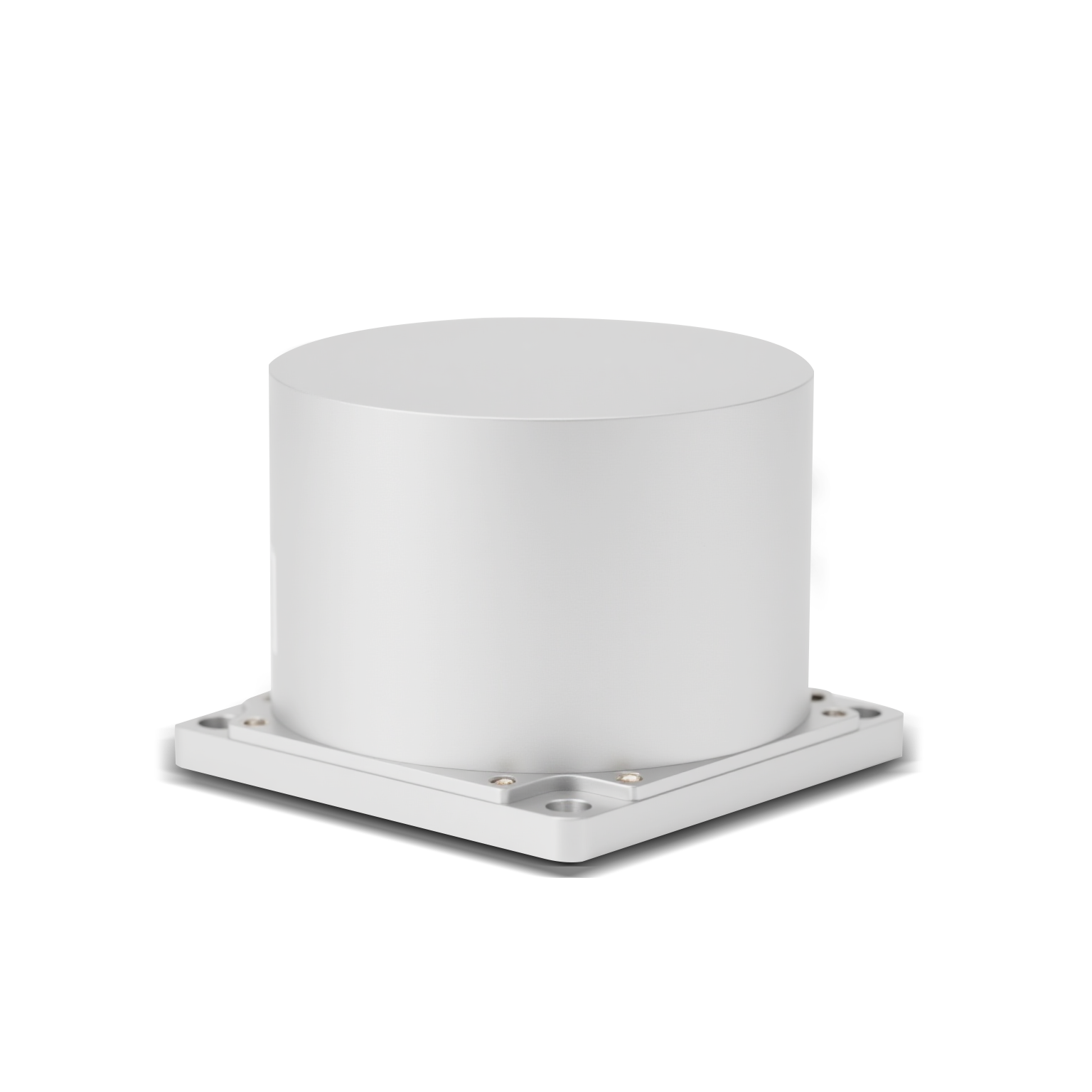 BSD50
BSD50 BSD217
 INS1700
 INS970
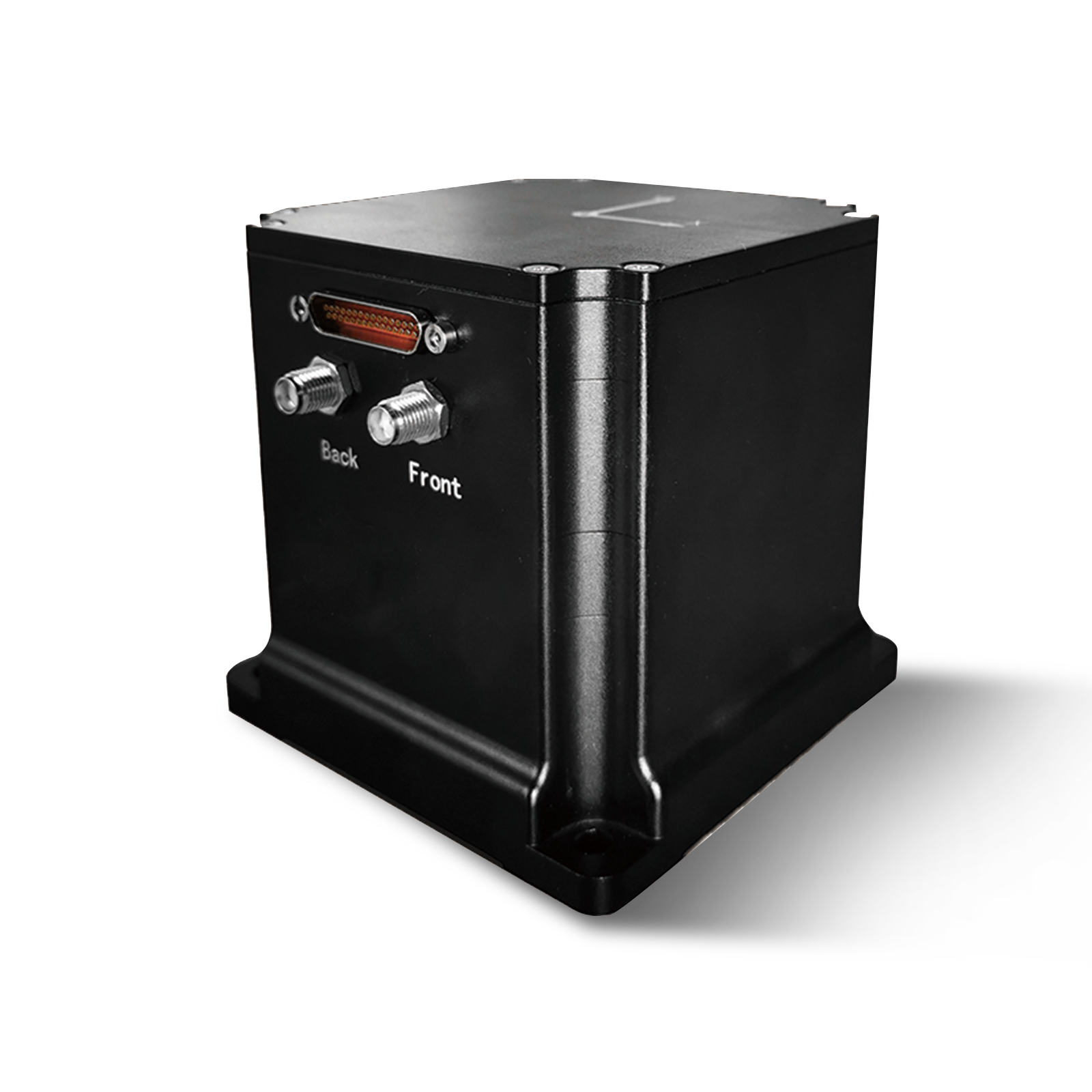 INS570
 INS170
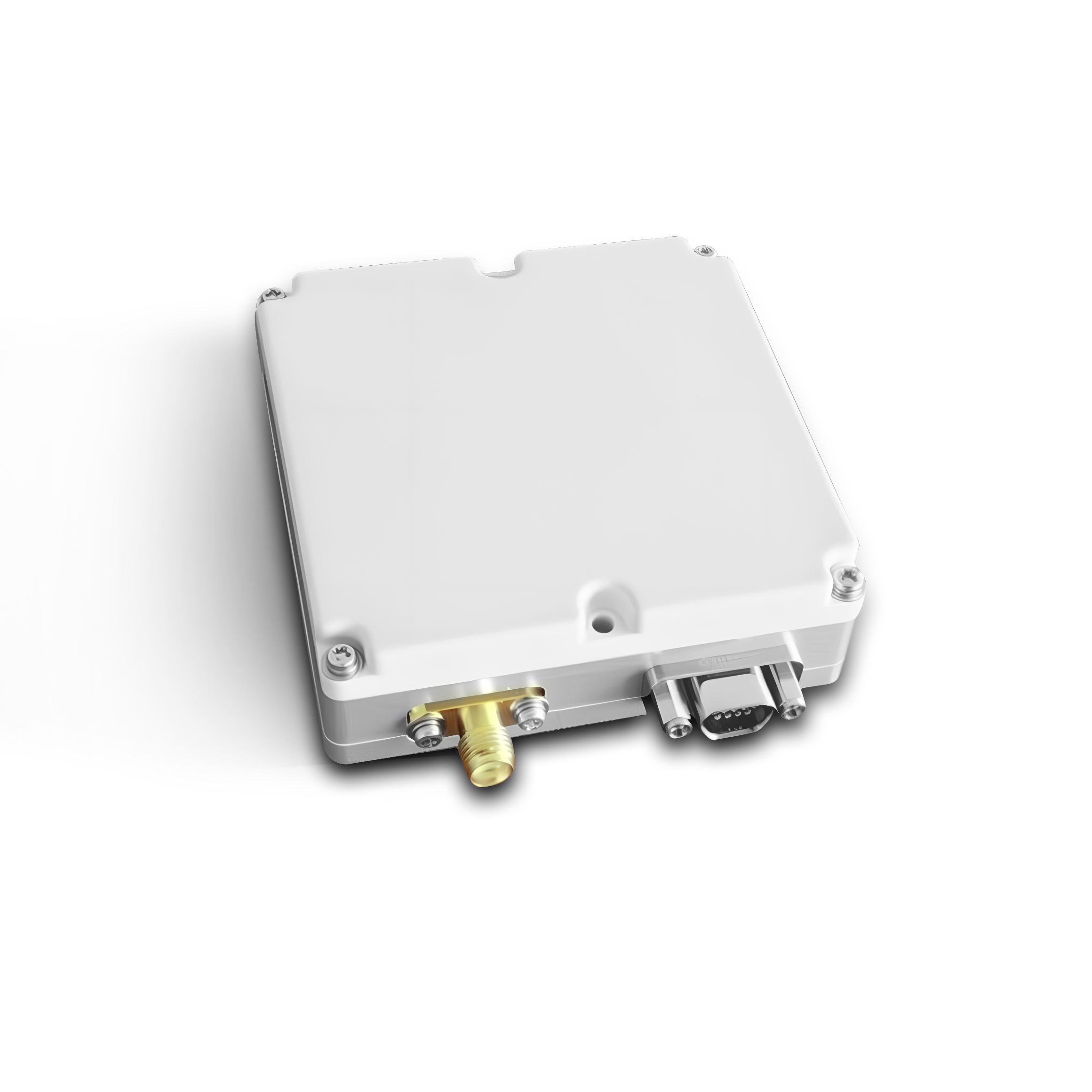 SLA-4B1L1-65
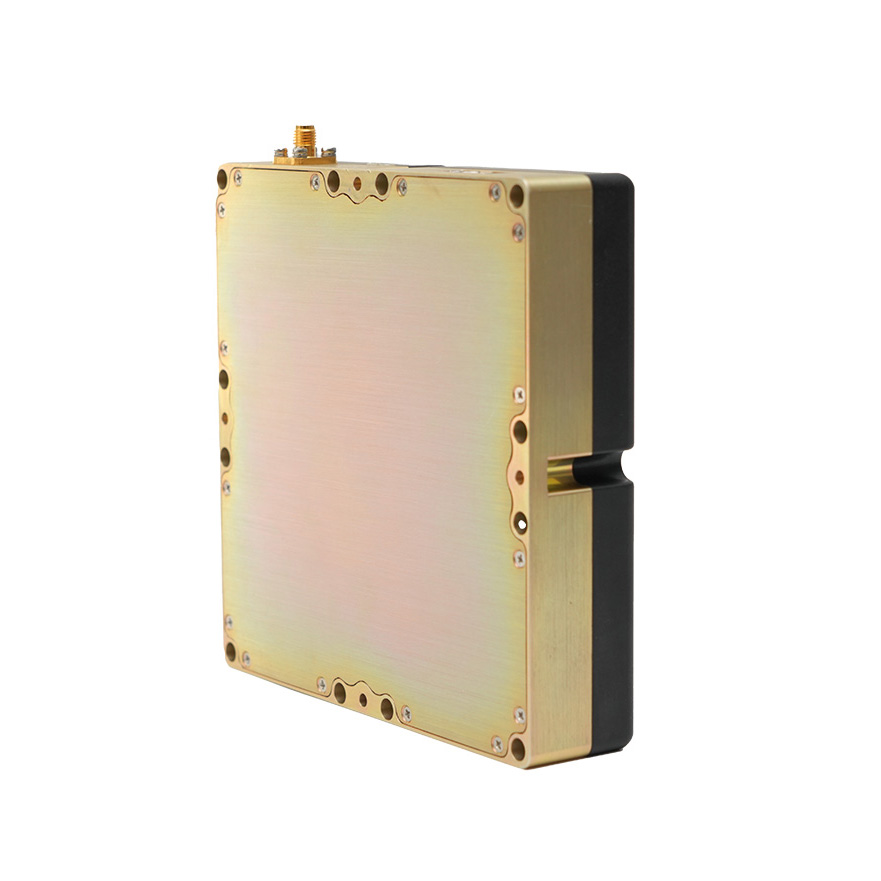 SLA-4B1L1-130
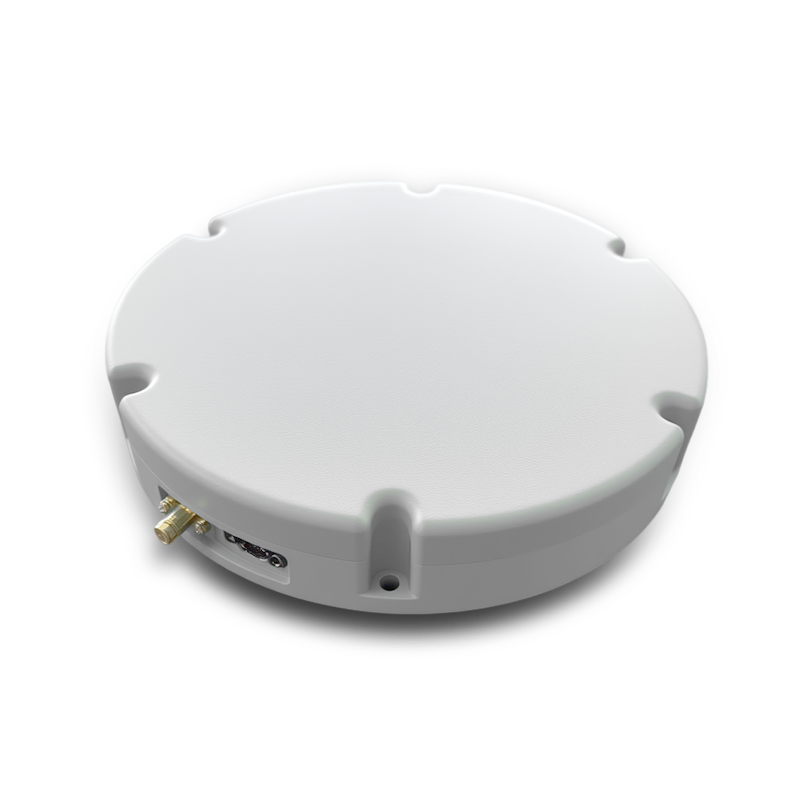 SLA-8B1L1-165
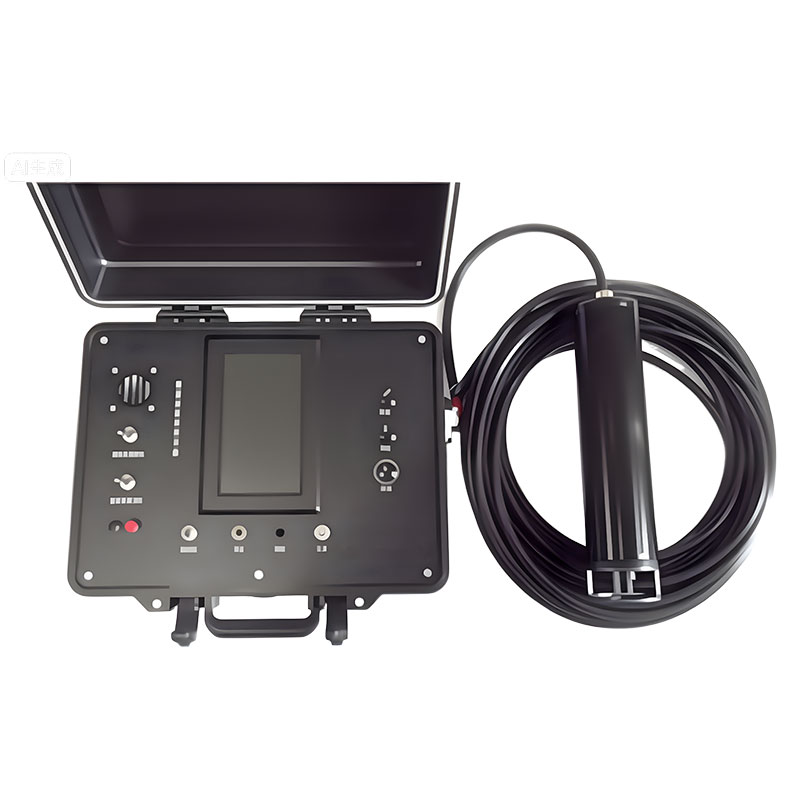 DIVER 101
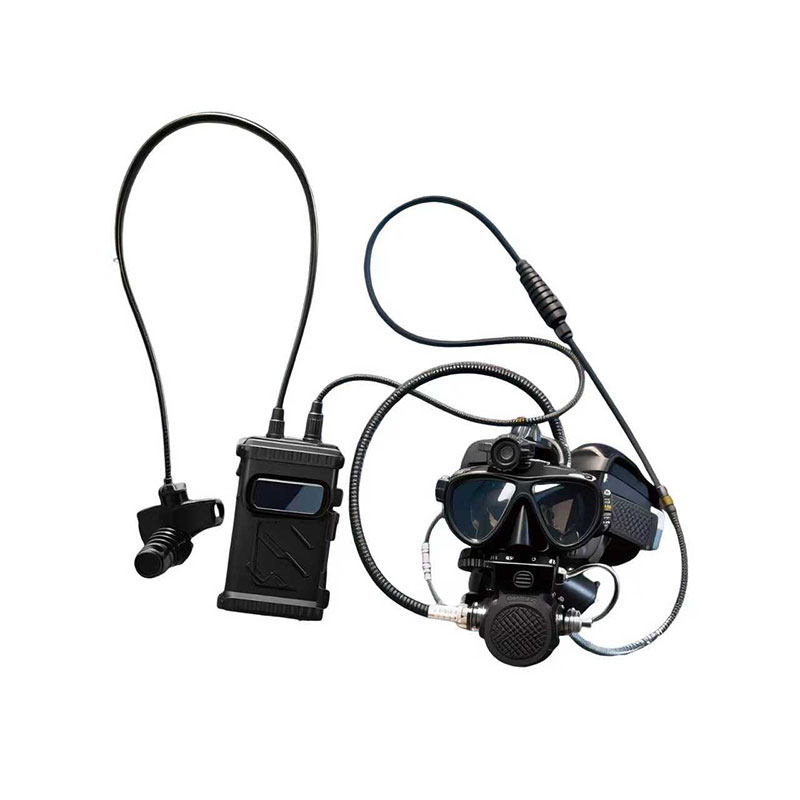 DIVER 102
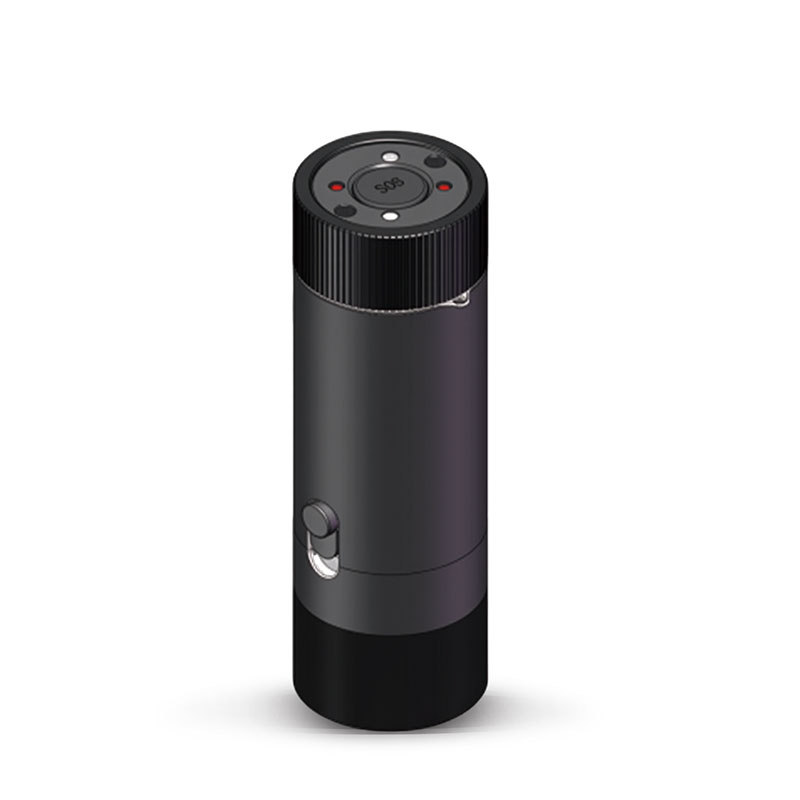 DIVER 103
 DIVER 104
 DIVER 105
 DIVER 106
 SLLR3000
 SLLR905
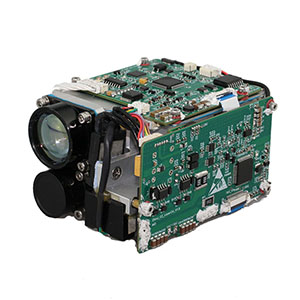 SLLD25
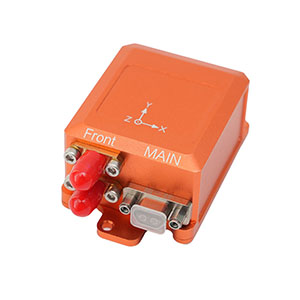 160M
160M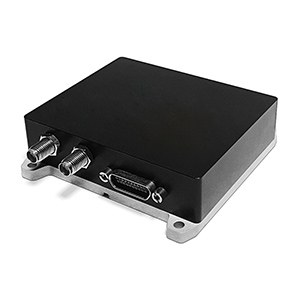 170M
170M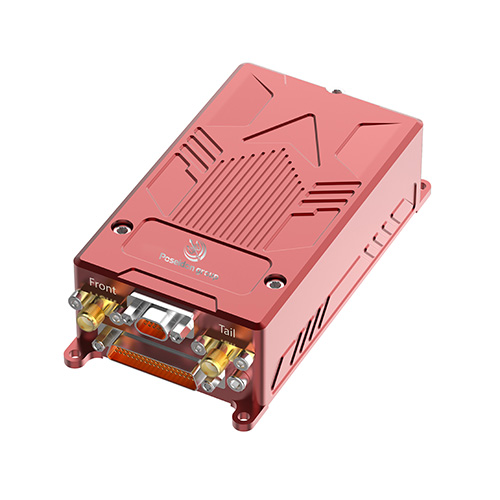 SLFC-70
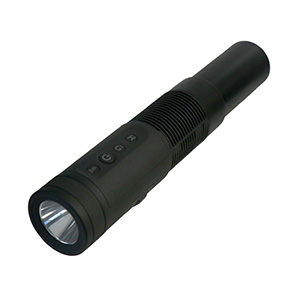 SLAF280
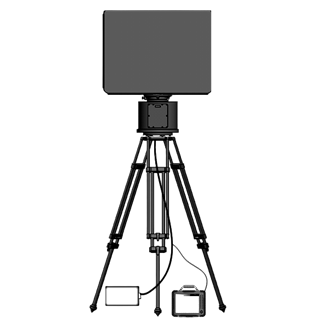 MR360
MR360